Showing posts with label Sasha Inchi(SI). Show all posts

Tuesday, May 17, 2022

Article of Sacha Inchi(SI)

Sacha Inchi

Sacha Inchi (Plukenetia volúbilis) is produced in high and low jungle in the Peruvian Amazonian. Initially wild, this plant is now cultivated, but it has high genetic variability which may produce confusion trying to identify the genus Plukenetia (Rodriguez et al, 2010). Actually, it is recognized the importance of oil of sacha inchi (also known as Inka peanut) because not only by its content of alpha linolenic acid (omega 3) but also by its content of triacylglicerols, polyphenols and tocopherols (Fanali et al, 2011). Oil of Sacha Inchi (Plukenetia volúbilis) is appreciated by its properties improving lipid profile (Huaman et al, 2008).

10 Amazing Health Benefits of Sacha Inchi

There is an urgent need to reduce exposure to NCD risk factors amongst Malaysians. There are evidences that medical nutrition therapy using nutritional supplements are recommended to treat NCDs. Nutritional supplements contain biologically active ingredients associated with physiological health benefits for preventing and managing chronic diseases, such as hypertension, hyperlipidaemia, and diabetes mellitus . Natural nutraceuticals were a preferable treatment method that has been accepted by consumers and appeared to be generally safe . Among the nutritional supplements used in controlling chronic diseases is the utilisation of long-chain polyunsaturated fatty acids.

Type 2 Diabetes Mellitus (T2DM), hypertension and hyperlipidaemia are the most common form of NCDs in Malaysia. Prescription of standard and long term medical regimen has long been implemented in managing the illnesses. There is a need to search for some potential complementary medicine to combat 3Hs. The use of Sacha Inchi oil as part of the dietary regimen, or alternative medicine to alleviate the disease progression is the novel research focus among the scientific communities. With the aforementioned, this randomised, placebo-controlled, double-blinded human clinical trial is aimed to determine the efficacy of 12 weeks supplementation of Sacha Inchi oil, a natural blend of polyunsaturated fatty acids among the 3Hs patients. Secondary outcomes include the assessment of vascular implication biomarkers, inflammatory markers, nutritional status, quality of life, mental health, safety and tolerability.

On the other hand, when the results are analyzed according to individual tocopherols, it was found that the commercial oils contained an average of 37.11 mg/kg α-tocopherol, 1255.99 mg/kg γ-tocopherol and 927.56 mg/kg δ-tocopherol. The presence of α-tocopherol was detected in all samples, the concentration varied between 0.59 and 193.82 mg/kg. Some reports show small concentrations of α-tocopherol (Fanali et al. 2011; Chirinos et al. 2015), whereas Chasquibol et al. reported values between 4.2 and 126.5 mg/kg for commercial Sacha inchi oils. The most important tocopherols in this oil are γ- and δ-tocopherol, while the scientific literature reports that γ-tocopherol is found in a higher content than δ-tocopherol (Follegatti-Romero et al. 2009; Fanali et al. 2011; Chirinos et al. 2015, NTP 2018). In this case, five samples of commercial oils (IP003, IP009, IP012, IP024 and IP026) (Table 2) showed higher δ-tocopherol content. It is important to note that the δ-tocopherol/γ-tocopherol ratio (δ/γ) for the mentioned commercial oils was between 1.02 and 3.81, while the rest of the oils showed a 0.33–0.81 ratio. A linear regression analysis was developed with the purpose of observing the multicollinearity between the variables δ- and γ-tocopherol, this analysis showed a correlation coefficient of 0.7272 and the linear regression equation was as follows: δ-toc = 79.2846 + 0.6554298 * γ-toc (Table 2). These results indicate that the behavior of the samples according to these two variables is direct in 87% of the total of the samples, while 13% of samples contradict this association. Sacha inchi oil contains a good source of tocopherols compared to other oils such as flaxseed (377.1 mg/kg), rapeseed (439 mg/kg), corn (886.5 mg/kg), almond (379.8 mg/kg), walnut (209.4) and sunflower oils (535 mg/kg) (Gliszczyńska-Świgło et al. 2007; Yang et al. 2018).

Three days before the study, subjects from both groups (soy meal and sacha inchi meal) were asked to receive a standardized diet, which includes 1509.25±43.35 calories per day.

Bibliography

Characterization of commercial Sacha inchi oil according to its .... (1970). Retrieved on May 17, 2022, from https://www.ncbi.nlm.nih.gov/pmc/articles/PMC6801255/.

Nitrogen balance after a single oral consumption of Sacha Inchi .... (1970). Retrieved on May 17, 2022, from https://www.ncbi.nlm.nih.gov/pmc/articles/PMC5955778/.

Sacha Inchi Oil Supplementation in 3Hs . (1970). Retrieved on May 17, 2022, from https://www.clinicaltrials.gov/ct2/show/NCT04920825.

Monday, April 18, 2022

The Useful of Omega3 from Inca Oil.

The Useful of Omega3 from Inca Oil

See table 3 for a comparison of sacha inchi oil and argan oil, which are both high in Omegas and have interesting marketing potential. Rosehip oil is also a competing product, as it is high in Omega-3. The most commonly used Omega-3 oils are fish oils.

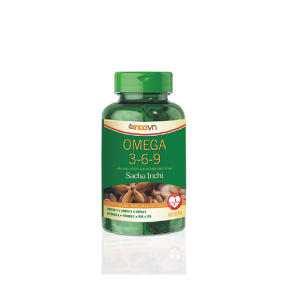
Organic Sacha Inchi Oil Omega 3,6,9 Soft Gel – Hitech Medic

Recommended use Take 15 ml (1 tablespoon) per day as a natural source of Omega 3. Season salads, soup, or pasta. Use the oil in vinaigrettes, mayonnaise, or for cooking. Can also be applied as nutritious oil on the body and hair. Store in a cool place protected from light. Once opened, consume preferably within 1 month. Properties extra virgin, cold pressed oil fairly and sustainably harvested in the Peruvian Amazon Rainforest a stable, plant-based oil rich in Omega 3 organic, raw, vegan & gluten free.

The climbing plant grows in the Andes at an altitude of 200 to 1000 meters. The oil that is extracted from the star-like nut is very precious. Each capsule fruit has four to six corners. In every corner, there is a seed, the actual nut. The nuts are harvested, dried, and processed into flour or oil. It is important that the Sacha Inchi oil is cold-pressed so that all valuable ingredients and their effects are preserved.

What do the omega-3 fatty acids do in the body?Omega-3 and Omega-6 fatty acids are burned for energy in the body. In addition to generating energy, messenger substances are formed that have a decisive effect on health:• Cell membranes that contain a lot of omega 3 are much more pliable. For example, red blood cells can do much better slide through the capillary, which improves blood circulation.• Prostaglandins and thromboxanes are messenger substances of the omega-3 fatty acids. Messenger substances formed from the Omega 3have anti-inflammatory effects.• They have a positive effect on blood lipid levels and have been shown to lower harmful LDL cholesterol.• They have a blood pressure lowering effect and prevent platelet aggregation.

Abstract Sacha inchi seed oil is a promising substance for applications in food, pharmaceutical, and nutraceutical industries because of its valuable components, particularly omega-3. In this research, sacha inchi oil was extracted from the seed kernels using supercritical carbon dioxide (CO2) extraction compared with Soxhlet extraction. The influences of extraction time, type of solvents (hexane, ethanol, butanol, and i-propanol), and solvent volume on the oil yield and compositions were investigated in the Soxhlet. In the supercritical CO2 extraction, the effects of extraction time, temperature, and pressure were evaluated. The physicochemical properties of sacha inchi oils extracted with supercritical CO2 were characterized. Scanning electron microscopy (SEM) equipped with energy dispersive X-ray analysis (EDX), Fourier transform infrared (FTIR) spectroscopy, thermogravimetric analysis (TGA), and differential scanning calorimetry (DSC) were also carried out. The results showed the advantage of using supercritical CO2 extraction to increase the omega-3 content in the extracted oil within a shorter extraction time. The omega-3 content of 46.08% was obtained from the supercritical CO2 extraction at 400 bar and 60 °C. Supercritical CO2 extraction is a safe and environmentally friendly method that yields a toxic-free oil. Keywords: Extraction; Inca nut; Linoleic acid; Linolenic acid; Omega-3; Sacha inchi; Supercritical carbon dioxide.

Sacha inchi has a competitive advantage because it has a rare and popular fatty acid composition. This reduces the threat of substitution. It also has an interesting marketing story, with its exotic origin and traditional production by local communities.

Sacha inchi seeds are rich in nutrients and essential fatty acids, much more than other oilseed plants known. This plant is cultivated mainly in the district of Pichanaqui ( Junin - Peru) at the heart of the Inca culture because this land offers the best environmental conditions (the ground is soft and has a high content of minerals and some nutrients). This land is located at a high altitude - 500 meters above sea level - in the conjunction of the Andes and the Amazonian jungle. The place is protected from excessive rain, flooding, and hard winds. Sacha inchi was a wild plant but today it is grown in the Amazonian jungle. The Amazonian jungle is one of the most valuable in the world, it contains thousands of animal and vegetal species and it represents today more than one fifth of the world's freshwater reserves. The growth of the Sacha inchi plant contributes to the economy and health of the local people.

Bibliography

Enhancement of omega. (1970). Retrieved on April 19, 2022, from https://pubmed.ncbi.nlm.nih.gov/35097230/.

Exporting sacha inchi oil to Europe | CBI. (1970). Retrieved on April 19, 2022, from https://www.cbi.eu/market-information/natural-ingredients-cosmetics/sacha-inchi-oil.

SACHA INCHI. (1970). Retrieved on April 19, 2022, from https://www.palforess.eu/en/sacha-inchi-oil-omega-3/.

INKAnaturaL. (1970). Sacha Inchi Oil, Nuts, Inca Peanuts, Rich in Omega 3. Retrieved on April 19, 2022, from https://www.inkanatural.com/en/sachainchi/sacha_inchi_oil.html.

Martera. (1970). Organic Inca Inchi oil. Retrieved on April 19, 2022, from https://martera.com/en/product/inca-inchi-oil/.

Generated Article: Increase HDL

Increase HDL HDL is beneficial because its purpose is to remove other types of cholesterol from your bloodstream, says Claire Sullivan, MD, ...